



Ace every interview with Interview AiBoxInterview AiBox real-time AI assistant
Mobile Engineer Interview Playbook 2026: Signal, Follow-Ups, and Real Project Proof
A practical 2026 mobile engineer interview guide covering iOS, Android, cross-platform trade-offs, app architecture, debugging, performance, and project evidence.
- sellInterview Tips
- sellAI Insights
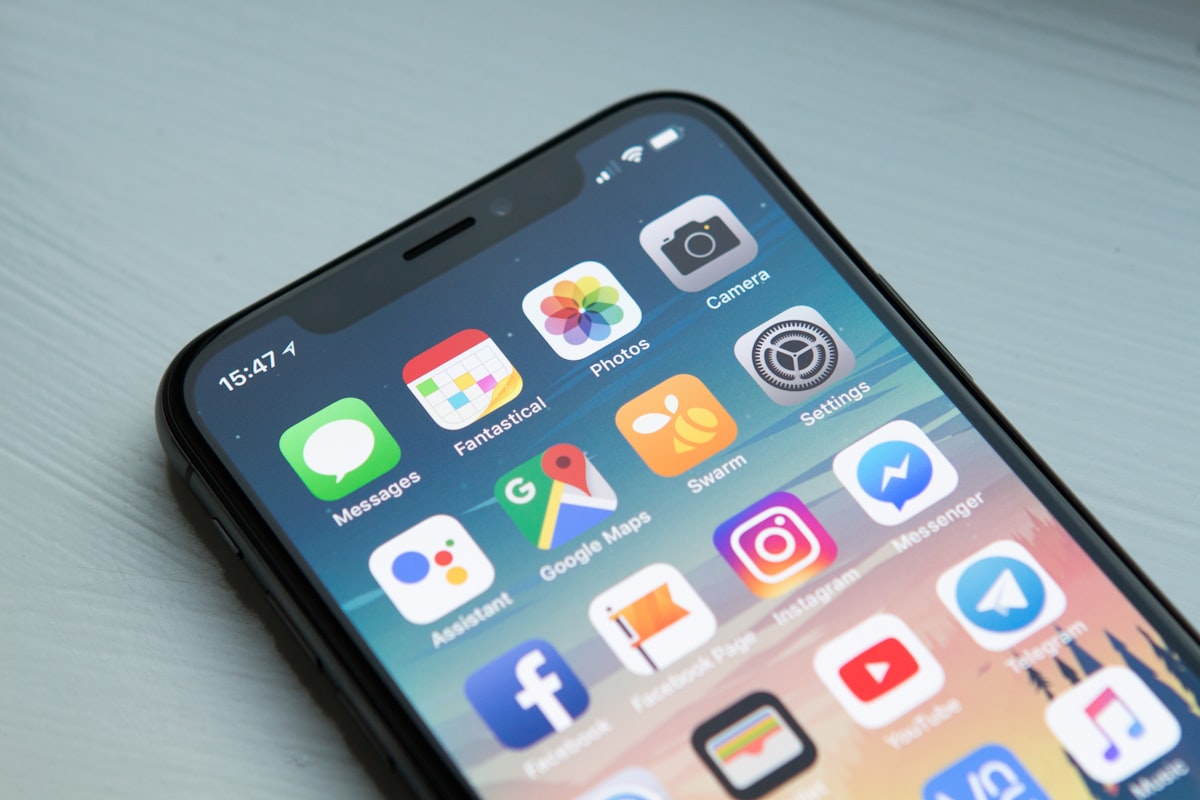
Mobile engineer interviews are not just smaller frontend interviews. The best candidates show that they can ship reliable product experiences on constrained devices, across network conditions, OS versions, store policies, and user attention spans.
In 2026, the winning answer is rarely a memorized API detail. It is a clear explanation of what signal the interviewer is testing, what trade-off you chose, what broke, and how the product became safer because of your decision.
What Mobile Interviews Actually Signal
Mobile interviews test whether you can turn uncertain runtime conditions into predictable product behavior. The interviewer wants to know how you reason when the device is old, the network is weak, the app is backgrounded, or a release has already reached users.
Product judgment under constraints
A strong mobile answer names the user moment first. A checkout screen, ride status, workout tracker, banking flow, or interview assistant screen all fail differently when the app pauses, reconnects, or receives stale data.
Do not jump straight to a library. Say what must remain true for the user. Then explain the technical choice that protects that outcome.
Platform depth without trivia
For iOS, prepare lifecycle, background tasks, permissions, memory pressure, Swift concurrency, app review constraints, and crash symbolication. For Android, prepare lifecycle, process death, WorkManager, permissions, fragments or Compose, background limits, and device fragmentation.
The point is not to recite APIs. The point is to show that you know where a beautiful app becomes unreliable in production.
Reliability as a product feature
Mobile reliability is visible. A backend job can quietly retry. A mobile app freezes in the user hand. Prepare examples that include cold start, crash-free sessions, battery impact, offline completion, app size, and rollout monitoring.
The 2026 Mobile Round Map
A mobile loop often blends coding, app architecture, debugging, product thinking, and behavioral evidence. You should prepare each round with a different answer shape.
Coding and API work
Expect arrays, strings, trees, async orchestration, state updates, and UI-adjacent data transformation. For senior roles, the question may hide concurrency, cancellation, pagination, caching, or retry behavior.
Explain state transitions out loud. Mobile interviewers care whether your code behaves correctly after fast taps, screen rotation, app backgrounding, and partial network failure.
App architecture
Common prompts include designing a chat app, offline notes app, feed with pagination, photo upload flow, payment confirmation flow, or multi-device session experience.
A good answer covers view state, domain state, persistence, cache invalidation, network boundaries, sync conflict handling, telemetry, and release rollback. Connect the mobile architecture to backend contracts. The backend engineer interview playbook is useful when you need to speak across that boundary.
Debugging and performance
Prepare a method for diagnosing slow startup, janky scrolling, high memory usage, battery drain, duplicate API calls, broken push notifications, and crash spikes after release.
The interviewer is listening for sequence. What do you observe first? What logs or traces do you trust? How do you reproduce? What do you roll back? The real-work debugging interview guide gives a broader structure you can adapt to mobile.
Project Evidence Interviewers Believe
Mobile candidates often describe impressive apps without proving their role. Strong evidence makes your ownership visible.
Use a simple structure: user problem, constraint, your decision, metric, failure mode, what changed after launch.
Examples of credible evidence include reducing crash rate from 1.4 percent to 0.3 percent, cutting cold start by 900 ms, shrinking upload failure after retry redesign, improving offline task completion, or reducing release rollback time.
For cross-platform work, do not sell reuse as automatically good. Explain what was shared, what stayed native, what performance or accessibility gaps appeared, and how the team decided the split. Interviewers respect honest trade-offs more than platform slogans.
How To Handle Follow-Up Pressure
Mobile follow-ups often attack assumptions. What if the network drops during payment? What if the user switches apps during upload? What if Android kills the process? What if the store rollout reveals a crash only on one OS version?
Answer with a layered path:
- Restate the invariant that must hold for the user.
- Identify where state is durable and where it is only visual.
- Describe the retry, reconciliation, or rollback path.
- Name the metric or signal that proves the fix worked.
This keeps you from sounding defensive. It also keeps the conversation grounded when the interviewer keeps changing conditions.
For behavioral rounds, prepare stories about designer collaboration, ambiguous ownership, release incidents, accessibility, and platform disagreements. The behavioral stories for engineers guide helps turn those moments into credible interview answers.
Where Interview AiBox Helps
Interview AiBox is useful for mobile prep because mobile interviews move quickly between code, architecture, product constraints, and follow-ups. During practice, you can rehearse a design answer, capture the interviewer-style follow-up, and review whether your response stayed grounded.
Use the Interview AiBox feature overview to understand the live assist workflow, then use recap notes to track repeated weak spots: vague metrics, missing rollout plan, shallow platform explanation, or too much framework talk.
The product is especially helpful for project evidence. Load your resume and project notes, then practice answering as if the interviewer only has 60 seconds before pushing deeper.
FAQ
Do mobile engineer interviews require LeetCode-style algorithms?
Yes, especially at large companies, but mobile loops often mix algorithms with async behavior, UI state, pagination, caching, and lifecycle edge cases. Prepare general coding fundamentals, then practice mobile-shaped variants.
Is React Native or Flutter experience enough for mobile roles?
It depends on the role. Cross-platform experience is valuable when you can explain native boundaries, performance limits, debugging workflow, release risk, and when platform-specific work is still required.
What is the biggest mistake in mobile system design answers?
The biggest mistake is designing only the happy path. Mobile design answers need backgrounding, offline state, retries, storage, permissions, observability, and release safety.
Next Steps
- Review the Interview AiBox feature overview before your next practice session
- Download Interview AiBox and rehearse mobile follow-up questions out loud
- Check the Interview AiBox roadmap for upcoming interview workflow improvements
- Compare mobile and web expectations with the frontend engineer interview playbook
Interview AiBoxInterview AiBox — Interview Copilot
Beyond Prep — Real-Time Interview Support
Interview AiBox provides real-time on-screen hints, AI mock interviews, and smart debriefs — so every answer lands with confidence.
AI Reading Assistant
Send to your preferred AI
Smart Summary
Deep Analysis
Key Topics
Insights
Share this article
Copy the link or share to social platforms


