



Ace every interview with Interview AiBoxInterview AiBox real-time AI assistant
2027 Graduate Recruiting Prep: A July–August 2026 Monitoring Calendar
Use this July–August 2026 monitoring calendar to prepare for 2027 graduate recruiting without assuming one opening date, deadline, or hiring cycle.
- sellInterview Tips
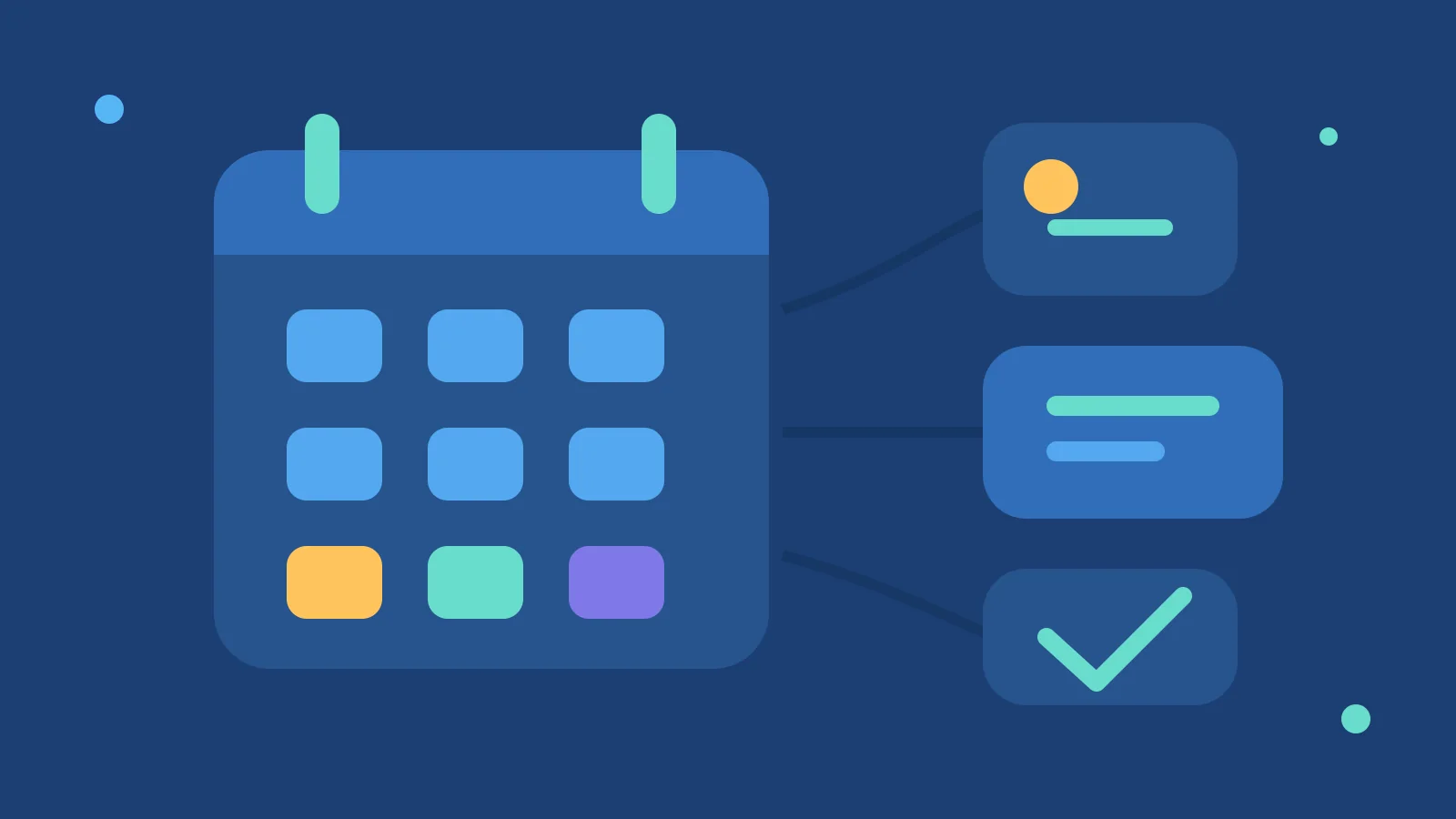
Waiting for a single “fall recruiting start date” creates avoidable pressure. By the time an employer posts a role, you may still be choosing job families, rebuilding resume evidence, and discovering that the eligibility language differs from what you expected.
This calendar treats July and August 2026 as preparation and official-page monitoring months for the 2027 graduating cohort. It does not claim that all applications are open, that employers share one deadline, or that an internship notice proves a graduate role is available.
Why Preparation and Monitoring Start Before Fall
“Fall recruiting” is a label, not a standardized national schedule. Employers can use different eligibility ranges, job families, locations, channels, and stage names. Some programs may recruit on a rolling basis, while others publish a dated notice for a defined batch. A third-party calendar cannot safely merge those differences into one deadline.
Separate five events in your tracker:
- Eligibility: who may apply based on graduation date, degree, location, or other stated conditions.
- Application opening: when a specific role or program accepts submissions.
- Assessment: when a test, online exercise, or screening step is issued or due.
- Interview: when a candidate is scheduled for one or more rounds.
- Offer or closing: when the employer communicates an outcome or closes the listing.
One event does not prove another. An eligibility page may define a cohort before a role opens. A statement that 2026 internship recruiting runs throughout the year does not mean every new-graduate job is accepting applications. Registration on a talent site may not be an application to a specific position.
Current first-party pages illustrate why exact wording matters. Accessed on July 28, 2026, ByteDance's campus page says its 2026 internship recruiting runs throughout the year and that current positions are subject to the official website. Separately, it defines ByteIntern as a program for 2027 graduates whose graduation dates fall from September 2026 through August 2027. Tencent's current internship eligibility page, also accessed July 28, gives a graduation range from September 1, 2026 through December 31, 2027. These are concrete statements for their stated programs. They are not evidence of one shared graduate-application opening.
Use July and August to remove preparation debt. The new graduate campus interview guide covers the broader interview process; this calendar focuses on what to prepare and what official sources to monitor during these two months.
If internships are part of your role map, use the Golden March and Silver April internship guide as a separate seasonal preparation lens, not as evidence of a current graduate opening.
July: Build Evidence and Application Readiness
Use the remaining days of July as a setup sprint. The output is not a large spreadsheet of rumored deadlines. It is a small, reliable operating system for reacting when a verified opportunity appears.
Define a role map
Choose two or three primary job families and a limited backup set. For each family, record likely responsibilities, required evidence, location constraints, and interview formats you need to prepare. Avoid applying one generic “technology” resume to software engineering, data, product, operations, and research roles.
Build an evidence inventory
List projects, internships, coursework, research, competitions, and leadership examples. For each item, capture the problem, your ownership, constraints, decisions, measurable outcome, and one difficult follow-up you can answer. Remove claims you cannot defend under questioning.
Create resume variants
Start from one factual master resume. Create role-specific variants by selecting the most relevant evidence and vocabulary, not by inventing perfect alignment. Keep dates, scope, titles, and results consistent across versions.
Prepare the monitoring system
Create entries only for official employer pages, official campus accounts, or government portals. Alibaba's campus recruitment page and the China Ministry of Education graduate employment portal can be monitoring sources, but their presence in a tracker does not establish a particular 2027 opening date.
For each source, save the exact URL, page title, access date, quoted eligibility or stage language, event type, and next check date. If a page changes, preserve what changed rather than overwriting the old entry without a record.
Establish a practice baseline
Complete a small diagnostic across coding, technical fundamentals, project explanation, and behavioral evidence. Use the result to schedule August. A candidate who already has strong algorithms but weak project depth needs a different plan from someone who cannot yet complete timed coding tasks.
The 30-day coding interview preparation plan can turn that diagnostic into a bounded daily routine without replacing employer-specific monitoring.
August: Monitor Official Pages and Rehearse the Response
August should combine a steady monitoring cadence with application readiness. Do not spend every day refreshing pages. Use scheduled checks and invest the rest of the time in materials and interview performance.
Weekly official-source check
Once a week, revisit each saved source. Record whether the page contains a dated opening, a role list, eligibility language, an assessment notice, or no relevant change. Increase frequency only when an official notice gives a live stage or time-sensitive requirement.
Application package check
For each target family, make sure you can produce a clean submission without rewriting from zero. Confirm contact details, graduation information, work authorization where relevant, portfolio links, transcripts if requested, and consistent project dates.
Do not infer requirements. If the official application asks for a document, prepare it. If it does not, do not assume a third-party checklist is mandatory.
Interview readiness check
Run one realistic practice loop each week:
- complete a timed problem or role-relevant task;
- explain one project with ownership and trade-offs;
- answer one behavioral question with specific evidence;
- review gaps and schedule the next correction.
Practice transitions between stages. An assessment invitation may arrive before you feel “finished,” so your plan should maintain a usable baseline while deeper study continues.
Notification and identity hygiene
Use a professional email, check spam and messaging channels, and keep employer names and application identifiers organized. Confirm that any assessment or interview message points back to an official domain or previously verified application. Do not send sensitive identity material to an unverified contact merely because the message claims urgency.
At the end of August, review your tracker. Some employers may have published relevant opportunities; others may not. “No verified opening yet” is a valid status, not a reason to replace evidence with a rumor.
Keep an Employer Tracker with Source Dates
A useful tracker preserves evidence and prevents stage confusion. Each employer-program entry should include:
- employer and official program name;
- exact official URL and page title;
- access date and last verification date;
- quoted eligibility language;
- role or job-family scope;
- event type: eligibility, opening, assessment, interview, offer, or closing;
- any dated deadline exactly as published;
- documents or actions required;
- your status and next check date.
Never publish or rely on a deadline without a dated first-party notice. If a page is undated, record it as current monitoring information and avoid converting it into a calendar promise. If a social post summarizes a program, trace the claim back to the employer's official page before acting.
Keep internship and graduate recruiting separate even when cohort ranges overlap. Also separate “early batch,” “official batch,” rolling hiring, and evergreen talent registration unless the employer explicitly connects them. There is no guaranteed advantage attached to a label across all companies.
A concise weekly routine is: verify official pages, capture changes, update application readiness, practice one complete interview loop, and review the next action. The routine is valuable even when no application opens that week.
Archive superseded notices instead of deleting them, so later changes remain explainable.
This is the interview-ready way to describe your plan: “I treat July and August 2026 as a preparation and monitoring window. I track official sources with access dates, keep eligibility separate from openings and deadlines, prepare factual role-specific materials, and increase monitoring only after a dated notice appears.”
FAQ
Are all 2027 graduate roles open in July or August 2026?
No. Employers publish their own openings and deadlines. This calendar is for preparation and official-source monitoring, not a claim of universal availability.
Does internship eligibility prove that graduate applications are open?
No. It establishes eligibility only for the stated internship context. Graduate roles, applications, assessments, and interviews require their own official evidence.
What should candidates finish in July 2026?
Finish a role map, factual evidence inventory, resume variants, official-source tracker, and a diagnostic-based interview practice plan.
How often should official recruiting pages be checked?
A weekly cadence is usually sustainable for monitoring. Check more frequently only when a dated official notice announces an active stage, requirement, or deadline.
Sources
- ByteDance Campus Recruitment
- Tencent Campus Recruitment
- Alibaba Talent
- China Ministry of Education Graduate Employment Information Portal
Next Steps
- Review the Interview AiBox feature overview
- Follow the product roadmap for preparation workflow updates
- Explore the core interview workflow
- Download Interview AiBox
Interview AiBoxInterview AiBox — Interview Copilot
Beyond Prep — Real-Time Interview Support
Interview AiBox provides real-time on-screen hints, AI mock interviews, and smart debriefs — so every answer lands with confidence.
AI Reading Assistant
Send to your preferred AI
Smart Summary
Deep Analysis
Key Topics
Insights
Share this article
Copy the link or share to social platforms


