

LeetCode 题解工作台
二叉树的序列化与反序列化
序列化是将一个数据结构或者对象转换为连续的比特位的操作,进而可以将转换后的数据存储在一个文件或者内存中,同时也可以通过网络传输到另一个计算机环境,采取相反方式重构得到原数据。 请设计一个算法来实现二叉树的序列化与反序列化。这里不限定你的序列 / 反序列化算法执行逻辑,你只需要保证一个二叉树可以被序列…
6
题型
6
代码语言
3
相关题
当前训练重点
困难 · 二分·树·traversal
答案摘要
我们可以采用层序遍历的方式对二叉树进行序列化,即从根节点开始,依次将二叉树的节点按照从上到下、从左到右的顺序加入队列中,然后将队列中的节点依次出队。如果节点不为空,则将其值加入序列化字符串中,否则加入特殊字符 `#`。最后将序列化字符串返回即可。 反序列化时,我们将序列化字符串按照分隔符进行切分,得到一个字符串数组,然后依次将字符串数组中的元素加入队列中。队列中的元素即为二叉树的节点,我们从队列中…


Interview AiBoxInterview AiBox 实时 AI 助手,陪你讲清 二分·树·traversal 题型思路
题目描述
序列化是将一个数据结构或者对象转换为连续的比特位的操作,进而可以将转换后的数据存储在一个文件或者内存中,同时也可以通过网络传输到另一个计算机环境,采取相反方式重构得到原数据。
请设计一个算法来实现二叉树的序列化与反序列化。这里不限定你的序列 / 反序列化算法执行逻辑,你只需要保证一个二叉树可以被序列化为一个字符串并且将这个字符串反序列化为原始的树结构。
提示: 输入输出格式与 LeetCode 目前使用的方式一致,详情请参阅 LeetCode 序列化二叉树的格式。你并非必须采取这种方式,你也可以采用其他的方法解决这个问题。
示例 1:
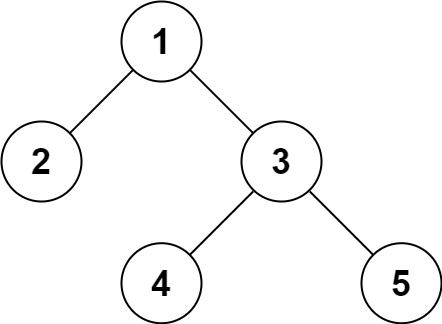
输入:root = [1,2,3,null,null,4,5]
输出:[1,2,3,null,null,4,5]
示例 2:
输入:root = []
输出:[]
示例 3:
输入:root = [1]
输出:[1]
示例 4:
输入:root = [1,2]
输出:[1,2]
提示:
- 树中结点数在范围
[0, 104]内 -1000 <= Node.val <= 1000
解题思路
方法一:层序遍历
我们可以采用层序遍历的方式对二叉树进行序列化,即从根节点开始,依次将二叉树的节点按照从上到下、从左到右的顺序加入队列中,然后将队列中的节点依次出队。如果节点不为空,则将其值加入序列化字符串中,否则加入特殊字符 #。最后将序列化字符串返回即可。
反序列化时,我们将序列化字符串按照分隔符进行切分,得到一个字符串数组,然后依次将字符串数组中的元素加入队列中。队列中的元素即为二叉树的节点,我们从队列中依次取出元素,如果元素不为 #,则将其转换为整数后作为节点的值,然后将该节点加入队列中,否则将其置为 null。最后返回根节点即可。
时间复杂度 ,空间复杂度 。其中 为二叉树的节点个数。
# Definition for a binary tree node.
# class TreeNode(object):
#     def __init__(self, x):
#         self.val = x
#         self.left = None
#         self.right = None


class Codec:
    def serialize(self, root):
        """Encodes a tree to a single string.

        :type root: TreeNode
        :rtype: str
        """
        if root is None:
            return ""
        q = deque([root])
        ans = []
        while q:
            node = q.popleft()
            if node:
                ans.append(str(node.val))
                q.append(node.left)
                q.append(node.right)
            else:
                ans.append("#")
        return ",".join(ans)

    def deserialize(self, data):
        """Decodes your encoded data to tree.

        :type data: str
        :rtype: TreeNode
        """
        if not data:
            return None
        vals = data.split(",")
        root = TreeNode(int(vals[0]))
        q = deque([root])
        i = 1
        while q:
            node = q.popleft()
            if vals[i] != "#":
                node.left = TreeNode(int(vals[i]))
                q.append(node.left)
            i += 1
            if vals[i] != "#":
                node.right = TreeNode(int(vals[i]))
                q.append(node.right)
            i += 1
        return root


# Your Codec object will be instantiated and called as such:
# codec = Codec()
# codec.deserialize(codec.serialize(root))
复杂度分析
| 指标 | 值 |
|---|---|
| 时间 | complexity depends on the number of nodes in the tree, as both serialization and deserialization processes require visiting each node once. Space complexity can vary based on the traversal method (DFS or BFS), with BFS potentially requiring more space due to the queue storing multiple levels of nodes. DFS may use less space but risks a stack overflow for very deep trees. |
| 空间 | Depends on the final approach |
面试官常问的追问
外企场景- question_mark
Assess the candidate's understanding of tree traversal techniques like DFS and BFS.
- question_mark
Evaluate the candidate's ability to handle edge cases such as empty trees or null nodes.
- question_mark
Look for optimization strategies in both time and space, ensuring that the solution is scalable for large trees.
常见陷阱
外企场景- error
Failing to handle null nodes correctly during serialization or deserialization, which can lead to incorrect tree reconstruction.
- error
Using a recursive approach without considering the potential for stack overflow in deep trees, especially when using DFS.
- error
Not optimizing for space, especially when dealing with wide trees that require efficient handling of large data structures.
进阶变体
外企场景- arrow_right_alt
Implementing a solution that only works for balanced trees and doesn't handle unbalanced trees efficiently.
- arrow_right_alt
Optimizing the serialization method to produce a more compact string representation.
- arrow_right_alt
Using a different serialization format that allows for more efficient deserialization but requires careful handling of tree structure.