

LeetCode 题解工作台
设置时间的最少代价
常见的微波炉可以设置加热时间,且加热时间满足以下条件: 至少为 1 秒钟。 至多为 99 分 99 秒。 你可以 最多 输入 4 个数字 来设置加热时间。如果你输入的位数不足 4 位,微波炉会自动加 前缀 0 来补足 4 位。微波炉会将设置好的四位数中, 前 两位当作分钟数, 后 两位当作秒数。它们…
2
题型
4
代码语言
3
相关题
当前训练重点
中等 · 数学·结合·enumeration
答案摘要
class Solution: def minCostSetTime(


Interview AiBoxInterview AiBox 实时 AI 助手,陪你讲清 数学·结合·enumeration 题型思路
题目描述
常见的微波炉可以设置加热时间,且加热时间满足以下条件:
- 至少为
1秒钟。 - 至多为
99分99秒。
你可以 最多 输入 4 个数字 来设置加热时间。如果你输入的位数不足 4 位,微波炉会自动加 前缀 0 来补足 4 位。微波炉会将设置好的四位数中,前 两位当作分钟数,后 两位当作秒数。它们所表示的总时间就是加热时间。比方说:
- 你输入
954(三个数字),被自动补足为0954,并表示9分54秒。 - 你输入
0008(四个数字),表示0分8秒。 - 你输入
8090,表示80分90秒。 - 你输入
8130,表示81分30秒。
给你整数 startAt ,moveCost ,pushCost 和 targetSeconds 。一开始,你的手指在数字 startAt 处。将手指移到 任何其他数字 ,需要花费 moveCost 的单位代价。每 输入你手指所在位置的数字一次,需要花费 pushCost 的单位代价。
要设置 targetSeconds 秒的加热时间,可能会有多种设置方法。你想要知道这些方法中,总代价最小为多少。
请你能返回设置 targetSeconds 秒钟加热时间需要花费的最少代价。
请记住,虽然微波炉的秒数最多可以设置到 99 秒,但一分钟等于 60 秒。
示例 1:
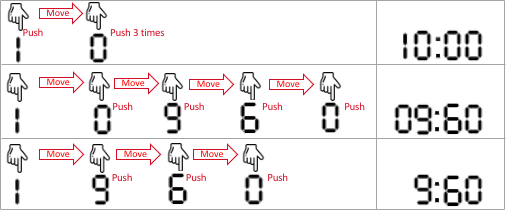
输入:startAt = 1, moveCost = 2, pushCost = 1, targetSeconds = 600
输出:6
解释:以下为设置加热时间的所有方法。
- 1 0 0 0 ,表示 10 分 0 秒。
  手指一开始就在数字 1 处,输入 1 (代价为 1),移到 0 处(代价为 2),输入 0(代价为 1),输入 0(代价为 1),输入 0(代价为 1)。
  总代价为:1 + 2 + 1 + 1 + 1 = 6 。这是所有方案中的最小代价。
- 0 9 6 0,表示 9 分 60 秒。它也表示 600 秒。
  手指移到 0 处(代价为 2),输入 0 (代价为 1),移到 9 处(代价为 2),输入 9(代价为 1),移到 6 处(代价为 2),输入 6(代价为 1),移到 0 处(代价为 2),输入 0(代价为 1)。
  总代价为:2 + 1 + 2 + 1 + 2 + 1 + 2 + 1 = 12 。
- 9 6 0,微波炉自动补全为 0960 ,表示 9 分 60 秒。
  手指移到 9 处(代价为 2),输入 9 (代价为 1),移到 6 处(代价为 2),输入 6(代价为 1),移到 0 处(代价为 2),输入 0(代价为 1)。
  总代价为:2 + 1 + 2 + 1 + 2 + 1 = 9 。
示例 2:

输入:startAt = 0, moveCost = 1, pushCost = 2, targetSeconds = 76
输出:6
解释:最优方案为输入两个数字 7 6,表示 76 秒。
手指移到 7 处(代价为 1),输入 7 (代价为 2),移到 6 处(代价为 1),输入 6(代价为 2)。总代价为:1 + 2 + 1 + 2 = 6
其他可行方案为 0076 ,076 ,0116 和 116 ,但是它们的代价都比 6 大。
提示:
0 <= startAt <= 91 <= moveCost, pushCost <= 1051 <= targetSeconds <= 6039
解题思路
方法一
class Solution:
    def minCostSetTime(
        self, startAt: int, moveCost: int, pushCost: int, targetSeconds: int
    ) -> int:
        def f(m, s):
            if not 0 <= m < 100 or not 0 <= s < 100:
                return inf
            arr = [m // 10, m % 10, s // 10, s % 10]
            i = 0
            while i < 4 and arr[i] == 0:
                i += 1
            t = 0
            prev = startAt
            for v in arr[i:]:
                if v != prev:
                    t += moveCost
                t += pushCost
                prev = v
            return t

        m, s = divmod(targetSeconds, 60)
        ans = min(f(m, s), f(m - 1, s + 60))
        return ans
复杂度分析
| 指标 | 值 |
|---|---|
| 时间 | complexity depends on the number of valid minute-second pairs (up to 100*100) and digit sequence evaluations. Space complexity depends on storing sequences and intermediate costs, generally O(1) extra memory beyond input. |
| 空间 | Depends on the final approach |
面试官常问的追问
外企场景- question_mark
Are you accounting for the normalization of input digits to four-digit sequences?
- question_mark
Can you calculate the cost efficiently without generating unnecessary digit sequences?
- question_mark
How do you ensure the minimum total fatigue among all possible combinations?
常见陷阱
外企场景- error
Ignoring normalization and counting sequences shorter than four digits incorrectly.
- error
Not handling finger movement costs when consecutive digits are the same.
- error
Assuming seconds can exceed 59 without normalization, producing invalid sequences.
进阶变体
外企场景- arrow_right_alt
Calculate minimum cost if the microwave accepts three-digit sequences only.
- arrow_right_alt
Determine the cost when some digits are locked and cannot be moved to.
- arrow_right_alt
Optimize for a target time range instead of a single targetSeconds.