

LeetCode 题解工作台
卖木头块
给你两个整数 m 和 n ,分别表示一块矩形木块的高和宽。同时给你一个二维整数数组 prices ,其中 prices[i] = [h i , w i , price i ] 表示你可以以 price i 元的价格卖一块高为 h i 宽为 w i 的矩形木块。 每一次操作中,你必须按下述方式之一执行…
3
题型
5
代码语言
3
相关题
当前训练重点
困难 · 状态·转移·动态规划
答案摘要
我们先定义一个二维数组 ,其中 表示高为 ,宽为 的木块的价格。初始时,我们遍历价格数组 ,将每一块木块 $(h, w, p)$ 的价格 存入 中,其余价格为 。 然后我们设计一个函数 $dfs(h, w)$,表示对一块高为 ,宽为 的木块切割后能得到的最多钱数。答案就是 $dfs(m, n)$。


Interview AiBoxInterview AiBox 实时 AI 助手,陪你讲清 状态·转移·动态规划 题型思路
题目描述
给你两个整数 m 和 n ,分别表示一块矩形木块的高和宽。同时给你一个二维整数数组 prices ,其中 prices[i] = [hi, wi, pricei] 表示你可以以 pricei 元的价格卖一块高为 hi 宽为 wi 的矩形木块。
每一次操作中,你必须按下述方式之一执行切割操作,以得到两块更小的矩形木块:
- 沿垂直方向按高度 完全 切割木块,或
- 沿水平方向按宽度 完全 切割木块
在将一块木块切成若干小木块后,你可以根据 prices 卖木块。你可以卖多块同样尺寸的木块。你不需要将所有小木块都卖出去。你 不能 旋转切好后木块来交换它的高度值和宽度值。
请你返回切割一块大小为 m x n 的木块后,能得到的 最多 钱数。
注意你可以切割木块任意次。
示例 1:
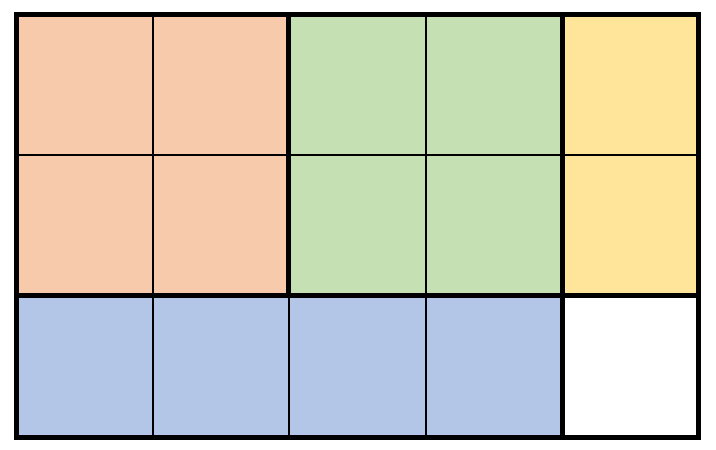
输入:m = 3, n = 5, prices = [[1,4,2],[2,2,7],[2,1,3]]
输出:19
解释:上图展示了一个可行的方案。包括:
- 2 块 2 x 2 的小木块,售出 2 * 7 = 14 元。
- 1 块 2 x 1 的小木块,售出 1 * 3 = 3 元。
- 1 块 1 x 4 的小木块,售出 1 * 2 = 2 元。
总共售出 14 + 3 + 2 = 19 元。
19 元是最多能得到的钱数。
示例 2:
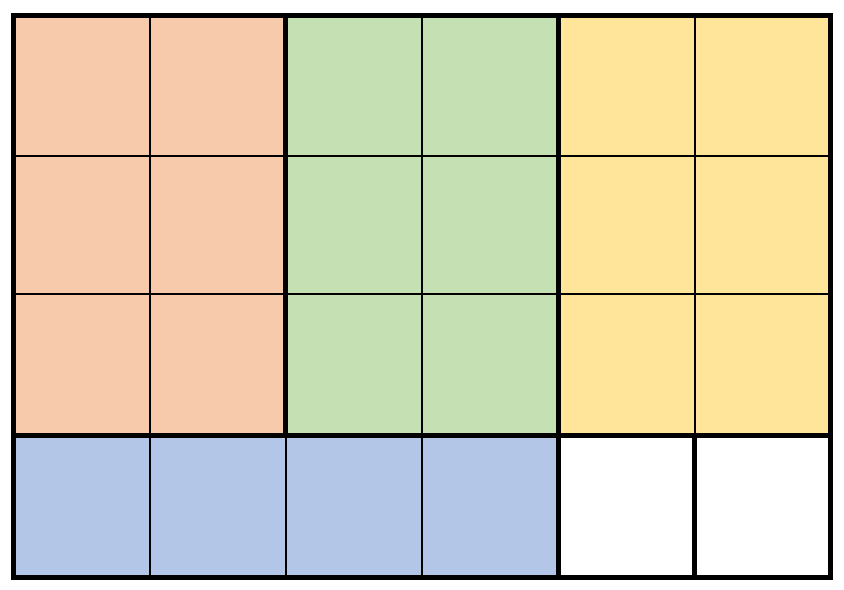
输入:m = 4, n = 6, prices = [[3,2,10],[1,4,2],[4,1,3]]
输出:32
解释:上图展示了一个可行的方案。包括:
- 3 块 3 x 2 的小木块,售出 3 * 10 = 30 元。
- 1 块 1 x 4 的小木块,售出 1 * 2 = 2 元。
总共售出 30 + 2 = 32 元。
32 元是最多能得到的钱数。
注意我们不能旋转 1 x 4 的木块来得到 4 x 1 的木块。
提示:
1 <= m, n <= 2001 <= prices.length <= 2 * 104prices[i].length == 31 <= hi <= m1 <= wi <= n1 <= pricei <= 106- 所有
(hi, wi)互不相同 。
解题思路
方法一:记忆化搜索
我们先定义一个二维数组 ,其中 表示高为 ,宽为 的木块的价格。初始时,我们遍历价格数组 ,将每一块木块 的价格 存入 中,其余价格为 。
然后我们设计一个函数 ,表示对一块高为 ,宽为 的木块切割后能得到的最多钱数。答案就是 。
函数 的执行过程如下:
- 如果 已经被计算过了,直接返回答案。
- 否则,我们先初始化答案为 ,然后枚举切割的位置,分别计算切割后的两块木块能得到的最多钱数,取最大值即可。
时间复杂度 ,空间复杂度 。其中 表示价格数组的长度,而 和 分别表示木块的高和宽。
class Solution:
    def sellingWood(self, m: int, n: int, prices: List[List[int]]) -> int:
        @cache
        def dfs(h: int, w: int) -> int:
            ans = d[h].get(w, 0)
            for i in range(1, h // 2 + 1):
                ans = max(ans, dfs(i, w) + dfs(h - i, w))
            for i in range(1, w // 2 + 1):
                ans = max(ans, dfs(h, i) + dfs(h, w - i))
            return ans

        d = defaultdict(dict)
        for h, w, p in prices:
            d[h][w] = p
        return dfs(m, n)
复杂度分析
| 指标 | 值 |
|---|---|
| 时间 | Depends on the final approach |
| 空间 | Depends on the final approach |
面试官常问的追问
外企场景- question_mark
Ability to efficiently solve dynamic programming problems with state transitions.
- question_mark
Understanding of memoization and how it optimizes recursive subproblem solutions.
- question_mark
Proficiency in iterating through all possible subproblems to determine optimal solutions.
常见陷阱
外企场景- error
Failing to consider both vertical and horizontal cuts at each step.
- error
Not using memoization, which leads to redundant calculations and increased time complexity.
- error
Overlooking the fact that you cannot rotate the wood pieces, which could affect the available dimensions.
进阶变体
外企场景- arrow_right_alt
Problem with larger dimensions and increased number of price entries.
- arrow_right_alt
Variation with added constraints on how many times each piece can be sold.
- arrow_right_alt
Adjusted problem where you need to minimize the total number of cuts.