

LeetCode 题解工作台
统计放置房子的方式数
一条街道上共有 n * 2 个 地块 ,街道的两侧各有 n 个地块。每一边的地块都按从 1 到 n 编号。每个地块上都可以放置一所房子。 现要求街道同一侧不能存在两所房子相邻的情况,请你计算并返回放置房屋的方式数目。由于答案可能很大,需要对 10 9 + 7 取余后再返回。 注意,如果一所房子放置在…
1
题型
6
代码语言
3
相关题
当前训练重点
中等 · 状态·转移·动态规划
答案摘要
由于街道两侧房子的摆放互不影响,因此,我们可以只考虑一侧的摆放情况,最后将一侧的方案数平方取模得到最终结果。 我们定义 表示放置前 个地块,且最后一个地块放置房子的方案数,定义 表示放置前 个地块,且最后一个地块不放置房子的方案数。初始时 $f[0] = g[0] = 1$。


Interview AiBoxInterview AiBox 实时 AI 助手,陪你讲清 状态·转移·动态规划 题型思路
题目描述
一条街道上共有 n * 2 个 地块 ,街道的两侧各有 n 个地块。每一边的地块都按从 1 到 n 编号。每个地块上都可以放置一所房子。
现要求街道同一侧不能存在两所房子相邻的情况,请你计算并返回放置房屋的方式数目。由于答案可能很大,需要对 109 + 7 取余后再返回。
注意,如果一所房子放置在这条街某一侧上的第 i 个地块,不影响在另一侧的第 i 个地块放置房子。
示例 1:
输入:n = 1
输出:4
解释:
可能的放置方式:
1. 所有地块都不放置房子。
2. 一所房子放在街道的某一侧。
3. 一所房子放在街道的另一侧。
4. 放置两所房子,街道两侧各放置一所。
示例 2:
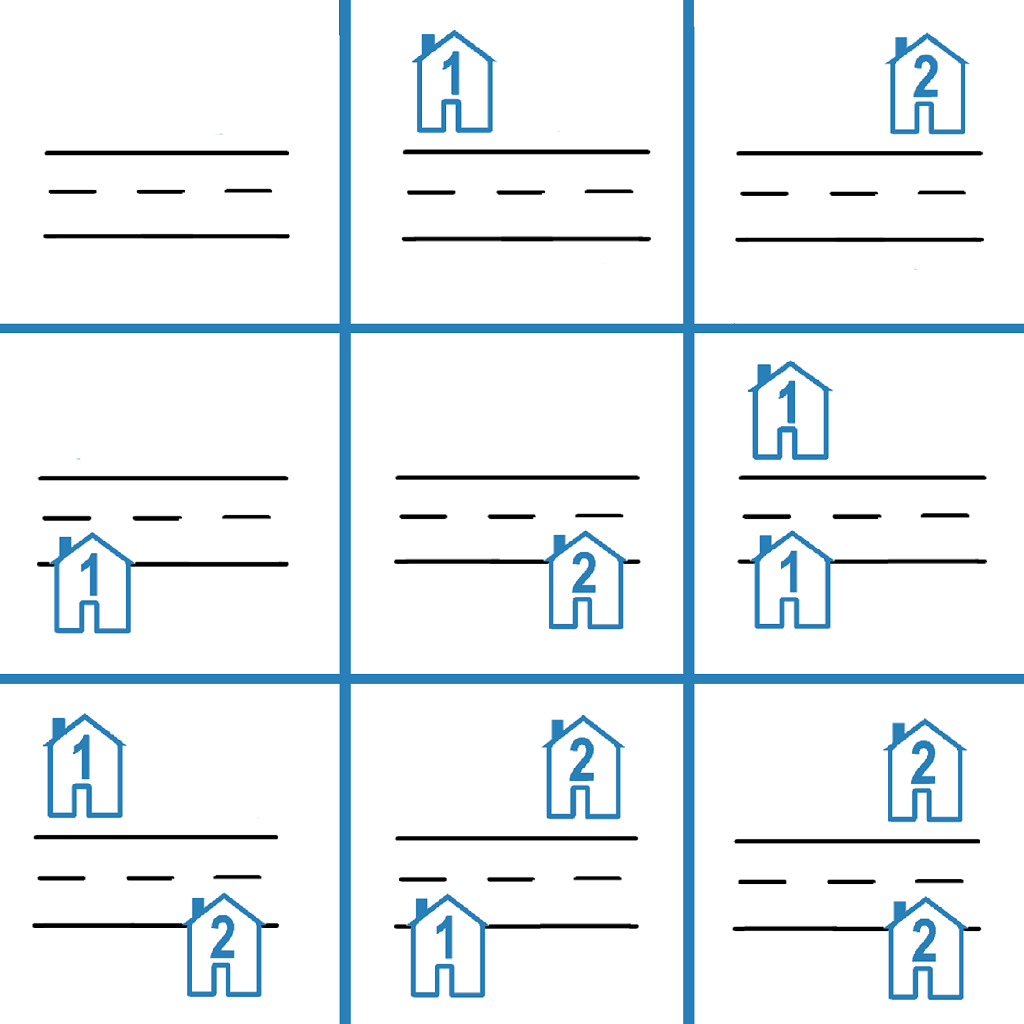
输入:n = 2
输出:9
解释:如上图所示,共有 9 种可能的放置方式。
提示:
1 <= n <= 104
解题思路
方法一:动态规划
由于街道两侧房子的摆放互不影响,因此,我们可以只考虑一侧的摆放情况,最后将一侧的方案数平方取模得到最终结果。
我们定义 表示放置前 个地块,且最后一个地块放置房子的方案数,定义 表示放置前 个地块,且最后一个地块不放置房子的方案数。初始时 。
当我们放置第 个地块时,有两种情况:
- 如果第 个地块放置房子,那么第 个地块必须不放置房子,因此方案数 ;
- 如果第 个地块不放置房子,那么第 个地块可以放置房子,也可以不放置房子,因此方案数 。
最终,我们将 的平方取模即为答案。
时间复杂度 ,空间复杂度 。其中 为街道的长度。
class Solution:
    def countHousePlacements(self, n: int) -> int:
        mod = 10**9 + 7
        f = [1] * n
        g = [1] * n
        for i in range(1, n):
            f[i] = g[i - 1]
            g[i] = (f[i - 1] + g[i - 1]) % mod
        v = f[-1] + g[-1]
        return v * v % mod
复杂度分析
| 指标 | 值 |
|---|---|
| 时间 | Depends on the final approach |
| 空间 | Depends on the final approach |
面试官常问的追问
外企场景- question_mark
The candidate demonstrates an understanding of state transition dynamic programming and can apply it to solve the problem.
- question_mark
The candidate breaks down the problem into manageable subproblems, such as solving for one side of the street first.
- question_mark
The candidate correctly handles the modulo operation to ensure that the final result fits within the required limits.
常见陷阱
外企场景- error
Overcomplicating the solution by not simplifying the problem to solving for one side of the street first.
- error
Neglecting the modulo operation or forgetting to return the result modulo 10^9 + 7.
- error
Failing to handle the case where both sides of the street need to be considered independently but with overlapping constraints.
进阶变体
外企场景- arrow_right_alt
Increase the number of plots n to test the scalability of the DP approach.
- arrow_right_alt
Consider constraints such as not allowing houses to be placed on the first or last plot of the street.
- arrow_right_alt
Extend the problem to include additional constraints, such as a maximum number of houses that can be placed on the street.