

LeetCode 题解工作台
判断矩阵是否满足条件
给你一个大小为 m x n 的二维矩阵 grid 。你需要判断每一个格子 grid[i][j] 是否满足: 如果它下面的格子存在,那么它需要等于它下面的格子,也就是 grid[i][j] == grid[i + 1][j] 。 如果它右边的格子存在,那么它需要不等于它右边的格子,也就是 grid[i…
2
题型
5
代码语言
3
相关题
当前训练重点
简单 · 数组·matrix
答案摘要
我们可以遍历每一个格子,判断其是否满足题目条件,如果有一个格子不满足条件,我们就返回 `false`,否则返回 `true`。 时间复杂度 $O(m \times n)$,其中 和 分别是矩阵 `grid` 的行数和列数。空间复杂度 。


Interview AiBoxInterview AiBox 实时 AI 助手,陪你讲清 数组·matrix 题型思路
题目描述
给你一个大小为 m x n 的二维矩阵 grid 。你需要判断每一个格子 grid[i][j] 是否满足:
- 如果它下面的格子存在,那么它需要等于它下面的格子,也就是
grid[i][j] == grid[i + 1][j]。 - 如果它右边的格子存在,那么它需要不等于它右边的格子,也就是
grid[i][j] != grid[i][j + 1]。
如果 所有 格子都满足以上条件,那么返回 true ,否则返回 false 。
示例 1:
输入:grid = [[1,0,2],[1,0,2]]
输出:true
解释:
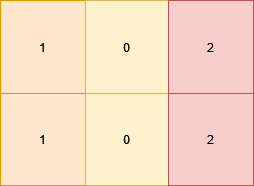
网格图中所有格子都符合条件。
示例 2:
输入:grid = [[1,1,1],[0,0,0]]
输出:false
解释:
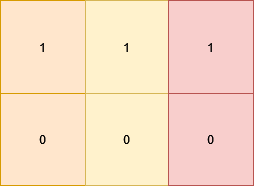
同一行中的格子值都相等。
示例 3:
输入:grid = [[1],[2],[3]]
输出:false
解释:
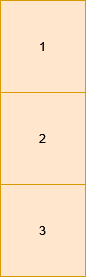
同一列中的格子值不相等。
提示:
1 <= n, m <= 100 <= grid[i][j] <= 9
解题思路
方法一:模拟
我们可以遍历每一个格子,判断其是否满足题目条件,如果有一个格子不满足条件,我们就返回 false,否则返回 true。
时间复杂度 ,其中 和 分别是矩阵 grid 的行数和列数。空间复杂度 。
class Solution:
    def satisfiesConditions(self, grid: List[List[int]]) -> bool:
        m, n = len(grid), len(grid[0])
        for i, row in enumerate(grid):
            for j, x in enumerate(row):
                if i + 1 < m and x != grid[i + 1][j]:
                    return False
                if j + 1 < n and x == grid[i][j + 1]:
                    return False
        return True
复杂度分析
| 指标 | 值 |
|---|---|
| 时间 | Depends on the final approach |
| 空间 | Depends on the final approach |
面试官常问的追问
外企场景- question_mark
Look for an approach that involves iterating through rows and columns to check for uniformity.
- question_mark
Ensure the candidate efficiently handles the grid with a simple comparison for correctness.
- question_mark
Test whether the candidate identifies the pattern of checking rows and columns in grid validation.
常见陷阱
外企场景- error
Not correctly iterating through each row or column to check for uniformity.
- error
Misunderstanding the constraints and mistakenly returning incorrect results for non-uniform cells.
- error
Overcomplicating the solution by introducing unnecessary operations or data structures.
进阶变体
外企场景- arrow_right_alt
Consider cases where grid elements may be different but still satisfy conditions.
- arrow_right_alt
Try solving the problem by verifying one condition first and then moving to the next step for optimization.
- arrow_right_alt
Explore optimization for larger grids when applicable by considering reduced time complexity solutions.